7-Day Vietnam Itinerary: North-South Route on ₹22K
Most travel blogs lock you into the Hanoi-to-HCMC tourist superhighway, forcing you into packed Old Quarter hostels and overpriced pho chains. The truth? A reverse route flips the crowds entirely—you skip peak-season gridlock in the north, eat street food at local prices (₹50–150 per meal), and still hit every unmissable stop. As an Indian passport holder, you also get 90 days visa-free entry. Here's how to do Vietnam backward, cheaply, and right.
1. Why Reverse: HCMC First, Halong Last
The standard north-to-south route means battling thousands of day-trippers in Hanoi's Old Quarter, competing for tables at famed pho joints, and arriving at Halong Bay in peak season (October–April) when boat slots vanish. Reversing saves money and time.
Starting in Ho Chi Minh City (HCMC) lets you enter via the cheapest flight hub in Southeast Asia. Then you spend 5 days moving away from tourist density—Da Nang and Hoi An see half the Old Quarter's foot traffic. By the time you reach Halong Bay on day 7, you're booking with local operators off-season, snagging ₹4,000–5,000 overnight cruises instead of ₹8,000+.
Here's why the timing works:
| Route Segment | Tourist Density | Best For | Avg Cost/Day (INR) |
|---|---|---|---|
| Hanoi (Oct–April) | Extremely high | Museums, culture | ₹3,500–4,500 |
| HCMC (year-round) | Medium | Food, markets, history | ₹2,500–3,500 |
| Da Nang/Hoi An | Low–medium | Beaches, lanterns | ₹2,500–3,000 |
| Halong Bay | High (peak), low (May–Sep) | Limestone, kayaking | ₹4,000–6,000 |
The reversal advantage: You travel against the tourist current. Homestays in Hoi An cost ₹800–1,200/night in April when Hanoi hits ₹2,000+. Your airfare stays low (see day 1 breakdown below).
2. Day-by-Day Breakdown: Cost & Logistics
Day 1: Arrive HCMC, War Remnants Museum, Ben Thanh Market
Book your flight 4–6 weeks ahead. Delhi/Mumbai to HCMC via Bangkok or Kuala Lumpur typically costs ₹12,000–16,000 return on budget carriers (FlyDubai, Air Asia, Vistara). Visa: Indian passport holders get 90 days visa-free—print nothing, just arrive. The e-visa myth persists; ignore it.
Accommodation: Backpacker dorm in District 1 (Ben Thanh area), ₹600–900/night. Lunch: pho or bánh mì at a street stall, ₹50–80. War Remnants Museum entry, ₹150. Dinner: street food crawl (spring rolls, grilled squid, iced coffee), ₹200–300.
Day 1 Cost: Flight (amortised), ₹3,200 accommodation + food + activity.
Days 2–3: Mekong Delta (Cu Chi Tunnels + floating markets)
Sunrise boat tour through Cai Be or Cai Rang floating market, ₹800–1,200 (group tour, includes breakfast). Cu Chi Tunnels half-day, ₹600–800. Both are 1–2 hours from HCMC; book through your hostel (no markup, direct-to-operator rates).
Stay another night in HCMC or move to Can Tho (2.5 hrs, bus ₹150–250). Eat at riverside stalls—grilled catfish, fruit smoothies, cost ₹100–200/meal. Skip "expat cafes"; you came for authentic food and cheaper prices.
Days 2–3 Cost: ₹1,200 accommodation × 2, ₹800 tours, ₹500 food, ₹300 transport = ₹4,600.
Day 4: Train to Da Nang (overnight sleeper)
Book your ticket online at vexere.com or ask your hostel (same price, 5-minute booking). HCMC to Da Nang: 16–18 hours, sleeper cabin (4-bed), ₹1,800–2,200. Depart evening of day 3 or day 4 morning; you'll lose a travel day but gain a night's accommodation. Pack instant noodles and water.
Arrive Da Nang afternoon of day 4. Check into a beachfront bungalow (non-tourist area, past the Four Seasons), ₹900–1,400/night. Dinner: grilled seafood near the riverfront, ₹300–400.
Day 4 Cost: ₹2,000 train, ₹1,200 accommodation, ₹400 food.
Day 5: Da Nang Beach + Hoi An Ancient Town (30 mins by bus)
Breakfast at your guesthouse (included or ₹100–150). Spend morning on My Khe Beach (free, safest beach in Vietnam). Lunch: bánh hoài (Hoi An's famous banh mi variant), ₹80–120.
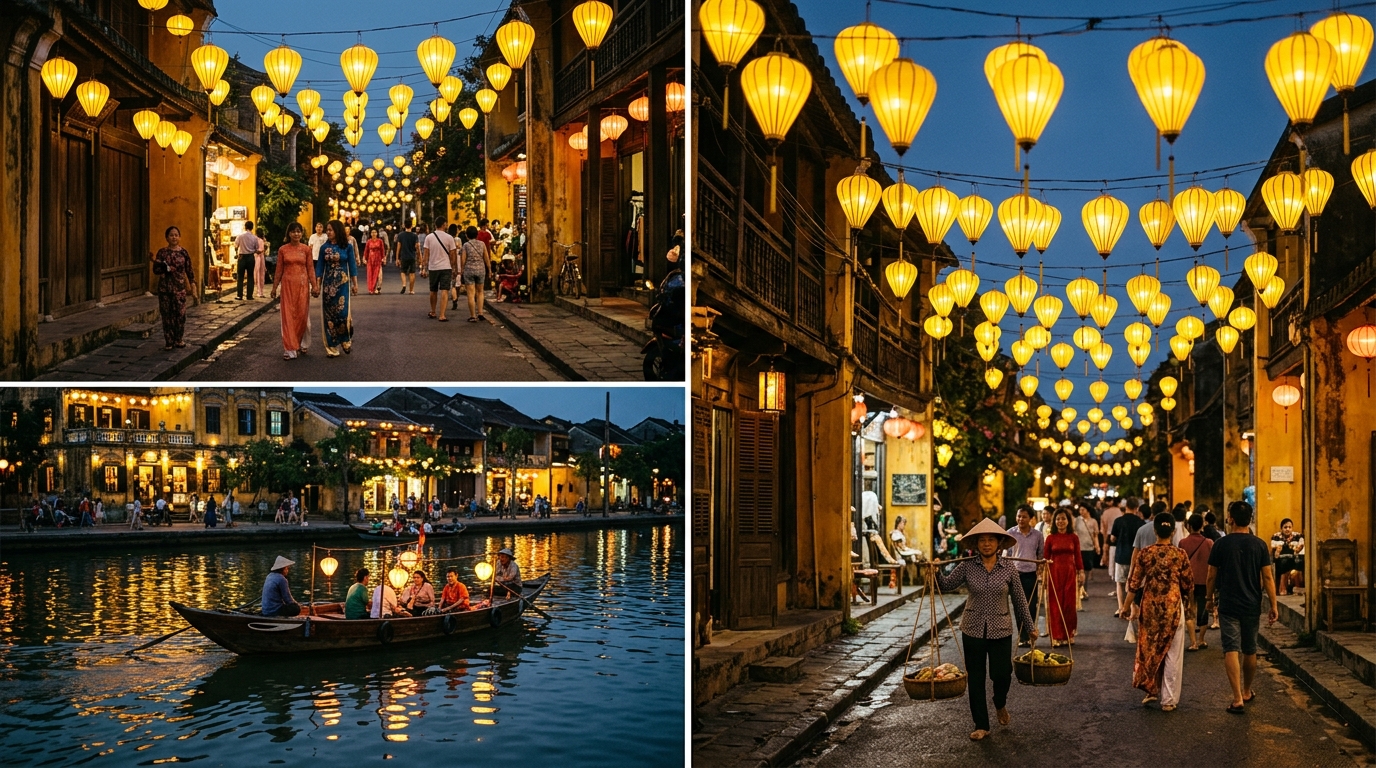
Afternoon bus to Hoi An (₹30, 45 mins). Enter the Ancient Town (UNESCO heritage site, entry ₹200–250). Walk the lantern-lit streets, cross the Japanese Bridge, eat at street stalls. Tailor suit? Prices have inflated; plan ₹2,500–4,000 minimum for a quality custom shirt—not a budget win.
Stay in a homestay outside the tourist zone (Zone 2, west side): ₹800–1,000/night. Dinner on the river: grilled squid, greens, rice, ₹250–350.
Day 5 Cost: ₹600 transport, ₹1,000 accommodation, ₹30 bus, ₹250 entry, ₹500 food.
Day 6: Hoi An → Marble Mountains (Da Nang) or Hue (2 hrs north)
Option A (Marble Mountains, easier): Bus back to Da Nang (₹30). Marble Mountains (5 caves, statues, river views), entry ₹100–150. Staircase is steep; allow 2 hours. Return to HCMC or stay another night in Da Nang.
Option B (Hue, full day): Bus north to Hue (2 hours, ₹250). Hue Citadel (UNESCO), ₹250 entry. Tomb of Minh Mang (outside city, ₹200–300 entry). These warrant an overnight; Hue homestays are ₹700–900/night. Skip if running behind.
We recommend Option A on a tight schedule. Lunch near Marble Mountains: crab rice, ₹150–200.
Day 6 Cost: ₹600 accommodation (Hoi An last night), ₹30–250 transport, ₹150 entry, ₹300 food.
Day 7: Da Nang → Halong Bay (flight or overnight bus)
Flight: Da Nang to Hanoi (1 hour, ₹2,500–3,500), then 2.5-hour drive to Halong, total ₹5,000–6,500 plus the flight. Pricey but fast.
Bus: Overnight sleeper HCMC → Halong (24 hrs, ₹2,500–3,200). Arrive morning of day 8. Tight but doable.
Recommendation: Extend to 8–9 days if budget allows. Book an overnight cruise in Halong Bay (₹4,000–5,500 all-inclusive: cabin, meals, kayaking, cave tour). Your 90-day Indian visa covers entry; immigration is quick at Noi Bai Airport or Halong port.
Halong Bay homestay (on-shore, pre-cruise night): ₹1,200–1,500. Dock crew feeds you; that meal is included.
Day 7 Cost: ₹2,000–2,500 transport, ₹1,500 accommodation, ₹500 food, ₹5,000 cruise.
7-Day Total: ₹22,000–24,000 (flight + 6 nights, meals, entry fees, transport, one 3-hour cruise option OR overnight cruise spillover into day 8).
3. Food Budget: Street vs. Tourist Pricing
Generic travel sites quote ₹300+ per meal in Vietnam. They're eating in tourist zones. Real street-food costs:
- Pho or bánh mì: ₹50–100 (anywhere except touristy Hanoi lanes)
- Bánh hoài (Hoi An signature): ₹80–120
- Grilled fish + greens + rice: ₹150–250
- Iced coffee (cà phê đen): ₹40–70
- Spring rolls (fresh): ₹60–100 for 4 pieces
- Sit-down restaurant (not fancy): ₹250–400
Insider moves:
- Eat breakfast at your guesthouse (often ₹80–150 or free).
- Lunch on the street, 11 a.m.–1 p.m. (vendors discount after peak).
- Dinner at local eateries away from water/heritage zones (₹200–350 vs. ₹600+ for the same dish 100 meters away).
- Skip Starbucks (₹250–350 for a latte). Iced coffee at a street stand: ₹50.
Budget ₹1,000–1,200 per day for all meals if you eat like a local. ₹1,500–2,000 if you treat yourself to one "nice" dinner.
4. Visa, Arrival & Survival Essentials
Indian Passport = 90 Days Visa-Free
You don't need an e-visa. Vietnam waived tourist visas for Indian passport holders in 2023. Bring:
- Passport (6 months validity)
- Return flight ticket (screenshot acceptable)
- Proof of accommodation (hostel booking link works)
- ₹200–300 for a SIM card (Viettel, Mobi, Vina; 4G is faster than most Indian cities)
No yellow fever vaccination required if you're arriving directly. If coming via Thailand/Cambodia, check your home country's requirements.
Use our Visa wizard for Indians to cross-check your passport rules and entry points by city.
On Ground: Transport & Communication
- Bus bookings: Vexere (Android/iOS), book 1–2 days ahead. Buses are air-conditioned, reliable, cheaper than trains for distances <6 hours.
- Grab app: Uber's replacement. ₹100–300 per ride in HCMC, ₹30–100 in smaller towns. Always negotiates below tuk-tuk quotes.
- Local SIM: ₹200–300 for 15 GB + calls. Buy at airport. Viettel has the best 4G coverage.
- Halong Bay boats: Book through your guesthouse or online (Viator, GetYourGuide). Avoid paying cash; credit card keeps a paper trail.
Check our Survival phrasebook for essential Vietnamese words and restaurant phrases.
Money & Budgeting
Vietnam's currency is Dong (VND). ₹1 ≈ 300–350 VND (rates fluctuate daily).
| Expense | INR |
|---|---|
| Flight (DEL/BOM → HCMC return) | ₹13,000–16,000 |
| 6 nights accommodation (mix homestays/dorms) | ₹5,500–7,000 |
| Food (₹1,000–1,200 × 7 days) | ₹7,000–8,400 |
| Transport (buses, Grab, train) | ₹2,000–2,500 |
| Entries (museums, towns, caves) | ₹1,500–2,000 |
| Halong overnight cruise (day 7/8) | ₹4,000–5,500 |
| TOTAL | ₹33,000–41,400 |
To hit ₹22,000, cut the overnight cruise; do a morning speedboat tour (₹1,500–2,000) or skip Halong entirely, ending in Hue or Da Nang. Or travel with a partner and split guesthouse costs.
Use our Trip budget calculator to adjust for your dates, departure city, and comfort level.
Reality Check: Weather & Timing
- October–November: Best. Warm, no rain, all roads clear. Flights ₹13K–16K.
- December–February: Halong ideal, HCMC hot (28–30°C). Crowds peak. Flights ₹15K–18K.
- March–April: Spring flowers, good. Rain increases mid-month.
- May–September: Monsoon season. Halong Bay ferries may cancel (1–2 days/week). Flights ₹11K–14K (off-season). Best for budget; worst for Halong reliability.
Trip reality check helps you align your dates with weather, visa processing, and flight pricing for your specific origin city.
5. Neighborhood Strategy: Where to Stay (and Where NOT To)
HCMC:
- Ben Thanh (District 1): Tourist trap. Backpackers, inflated food prices, street noise 24/7. ₹800–1,200/night for dorms.
- Binh Thanh (District 2): Local residential area, 10 mins by Grab from Ben Thanh. Homestays ₹700–900/night, street food at real prices. Pick this.
Hoi An:
- Ancient Town (Zone 1): UNESCO, packed, ₹1,200–1,800/night for budget rooms.
- Zone 2 (west): 15-min walk out, locals, ₹800–1,000/night. Night markets twice a week, zero tourists.
Da Nang:
- My Khe Beach (touristy strip): ₹1,500+/night.
- Coastal road south of My Khe: ₹900–1,200/night, empty beach access, local restaurants.
Halong Bay:
- Halong City center: Bus terminals, noise. Avoid overnight.
- Hon Gai waterfront: Homestays facing the bay, ₹1,200–1,500/night, peaceful. Cruise pickups happen here.
Golden rule: If a hostel/guesthouse shows up in the first Google result, it's priced for tourists. Scroll to page 3 or ask locals. Prices drop 30–40% one street back.
6. Day-Trip Detours Without Breaking Budget
If you have an extra day or two:
- Nha Trang (beach, budget town): 3-hour bus from Da Nang (₹400). ₹700–900/night, ₹100–200/meal. Skip if time-tight.
- Dalat (hill station, French colonial): 4 hours from HCMC (₹500). Cooler, hiking trails, local markets. Worth 2 days if extending beyond day 7.
- Saigon River dinner cruise: ₹600–1,000. Touristy but worth once.
- Street food tour (HCMC): ₹800–1,200 per person, includes 8–10 stops, guide included. Book through hostel for ₹100 discount.
None are essential. They compress into a 9–10 day itinerary without stress.
Frequently Asked Questions
Can Indian passport holders really visit Vietnam visa-free for 90 days?
Yes. As of 2023, Vietnam waives tourist visas for Indian passport holders up to 90 days. No e-visa needed. You just need your passport (6 months validity), a return flight proof, and accommodation booking. Immigration at Noi Bai (Hanoi), Tan Son Nhat (HCMC), or Halong port takes 5–10 minutes for Indians—they recognize the exemption.
What's the cheapest month to visit, and will it ruin my Halong experience?
May–September is cheapest (flights ₹11K–14K vs. ₹15K–18K in peak), but Halong Bay sees 1–2 day/week ferry cancellations due to monsoon swells. If you're flexible and comfortable with a possible Halong skip, go May–September and save ₹6,000–8,000 on flights. If Halong is non-negotiable, book October–November (sweet spot: weather + lower prices than December–February).
Should I book tours in advance or on the ground?
On the ground is cheaper by 10–20%. A Halong overnight cruise costs ₹5,500 pre-booked online vs. ₹4,500–5,000 walked to a dock agent. Same boat, same crew. Hostels get kickback commissions but don't mark up prices—their cut comes from the operator. For Mekong tours and Hue excursions, book the morning-of; rates don't vary by advance purchase.
Is eating street food in Vietnam safe for Indian stomachs?
Street food is safer than restaurants in Vietnam—high turnover, piping hot, cooked in front of you. Your Indian stomach is primed for spice and bacteria; Vietnamese food is milder and cleaner than Delhi street markets. Real risk: ice cubes in drinks and buffet-style dishes left sitting. Avoid mixed salads and ice unless the vendor boils it in front of you. Instant noodles and packaged snacks are your backup if you're cautious.
How much should I budget for tipping and bargaining?
Vietnam isn't a tipping culture; 5–10% at sit-down restaurants is kind, not expected. Streetside, never. Markets demand bargaining for souvenirs and tailoring—start at 60% of the asking price, settle at 75–80%. Tours (boat captains, guides) tip ₹200–400 if service exceeds expectations. Keep crisp ₹100 and ₹500 notes; vendors use cash as a bargaining anchor.
The Reverse Route Wins
You've now mapped a Vietnam journey that skips crowds, costs ₹22K–24K, and lets you eat like a local. Start in HCMC (cheapest hub), float down the coast, and let Halong Bay be your finale, not your bottleneck. Your 90-day Indian visa exemption buys you the freedom to slow down, skip expensive tours, and find restaurants where the menu is handwritten, not laminated.
All-inclusive 8–9 day trips online cost ₹28K–35K before flights. This itinerary gives you the same stops, better food, and real savings.
Ready to lock in your dates, plan daily itineraries by neighborhood, and get a daily cost breakdown for your specific travel style? Generate your free AI itinerary →