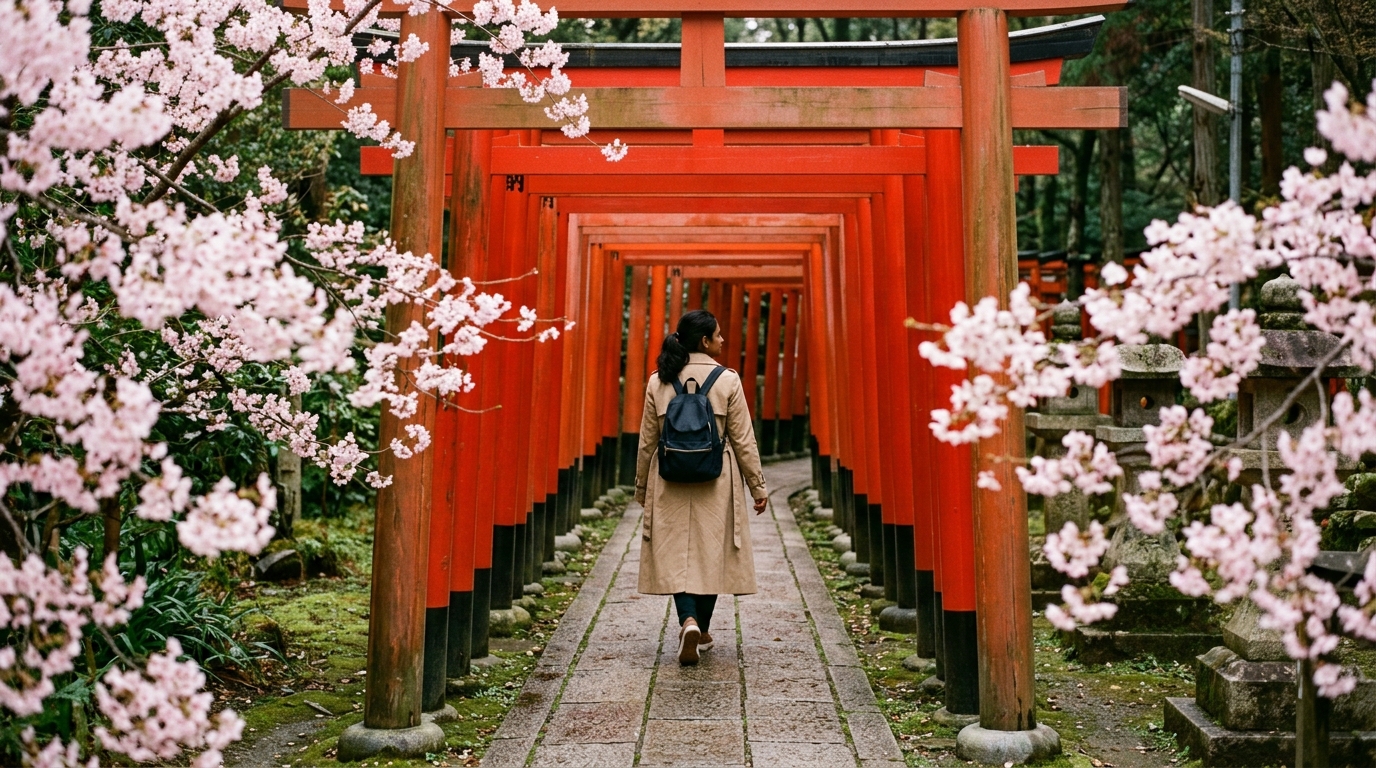
Japan on ₹1.5L: Tokyo-Osaka-Kyoto Itinerary & JR Pass Math
Most travel blogs tell Indian visitors that Japan is "expensive" and that cherry blossom season is the only time to go. The reality is sharper: a 10–14-day Tokyo-Osaka-Kyoto loop can cost ₹1.5L if you skip March–April and use JR Pass only when the math works—not as a default purchase. This breakdown shows you exactly when to book, how much the pass actually saves, and why late April to early May offers better value than peak sakura.
1. The Real JR Pass Calculation: When It Pays Off
The JR Pass is not a magic ticket for all Indian travelers. Its value depends entirely on your city-to-city movement count and class of travel. Most tourists assume they must buy one. They don't.
A 7-day JR Pass costs ₹12,500–₹14,000 for a foreigner (bought in India before arrival). One Tokyo-Kyoto round trip on shinkansen alone costs ₹13,000–₹15,000 one way. So far, it seems like a no-brainer. But here's the catch: if you're making only 2–3 intercity trips, you're paying for empty value.
Let me show you the exact math for a 12-day trip:
| Route | One-way without JR Pass | Days of shinkansen travel needed to break even on 7-day JR Pass |
|---|---|---|
| Tokyo ↔ Kyoto | ₹13,500 | 1 (covers 2 one-way trips) |
| Kyoto ↔ Osaka | ₹2,400 | Break-even at 6 trips |
| Tokyo ↔ Osaka | ₹13,000 | 1 trip |
| Hiroshima (side trip) | ₹16,000 | 1 trip |
A realistic 12-day itinerary moves you 3–4 times between cities. That's 3–4 segments. Without JR Pass: ₹13,500 + ₹2,400 + ₹13,000 = ₹28,900. With a 7-day JR Pass (₹13,500): ₹13,500. You save ₹15,400. But if you split the trip into two 5-day JR Pass purchases? Cost: ₹27,000. You're down ₹1,000 net. That's not savings—that's the tourism industry's favorite math trick.
The smarter play: Use JR Pass only if you're making 4+ intercity jumps, or skip it entirely and buy point-to-point shinkansen tickets via Hyperdia app (₹28,900 is still ₹2,500 cheaper than two JR Passes).
For the ₹1.5L budget, assume:
- JR Pass: Skip it. Buy shinkansen tickets à la carte.
- Budget for shinkansen: ₹28,900 (Tokyo-Kyoto-Osaka circuit).
- Local trains and metro in each city: ₹6,000–₹8,000 for the whole trip (IC card at convenience stores).
Remaining transport budget: ₹35,000–₹37,000. That leaves ₹1,13,000–₹1,15,000 for flights, accommodation, food, and activities.
2. Flight Routing: Delhi/Bangalore to Japan on Budget
Your flight from India is the largest single expense. Most Indian travelers book NON-STOP flights. That's the expensive play. The budget move is a stopover in Southeast Asia.
Non-stop flights from Delhi, Mumbai, or Bangalore to Tokyo (Narita/Haneda) run ₹35,000–₹50,000 return depending on season. Budget carriers like Air Asia, Indigo (code-share partners), and Thai AirAsia offer Delhi/Bangalore → Bangkok → Tokyo for ₹22,000–₹32,000. The stopover adds 4–6 hours of travel time but saves ₹8,000–₹18,000. At ₹1.5L budget, that's 5–12% of your entire trip.
Here's the routing math for a ₹1.5L trip:
| Route | Low season (Jun–Jul, Dec) | Shoulder (May, Sep–Oct) | Peak (Apr, Nov) |
|---|---|---|---|
| Direct DEL/BOM → NRT (non-stop, AI/BA) | ₹42,000 | ₹48,000 | ₹55,000 |
| DEL/BLR → BKK → NRT (budget carriers) | ₹24,000 | ₹28,000 | ₹32,000 |
| Return flight budget allocation | ₹28,000 | ₹32,000 | ₹36,000 |
For a ₹1.5L trip, the budget carrier route via Bangkok saves you ₹12,000–₹20,000 and keeps flight costs at ₹28,000–₹36,000. Pocket that difference.
Book 4–6 weeks in advance for low-season (June–July, December) and shoulder season (May, September–October). Peak sakura season (late March–early April) requires 8–10 weeks out and commands a ₹8,000–₹15,000 premium over May. That's why May beats April—same temples, ¼ the crowds, ₹10,000 cheaper.
Departure cities: Delhi (Indigo, Air Asia), Mumbai (Indigo, Air Asia, Thai AirAsia), Bangalore (Air Asia, Thai AirAsia). Book from whichever hub is nearest; the ₹2,000–₹4,000 domestic feeder cost is negligible next to the international ticket.
3. The Complete 12-Day Tokyo-Osaka-Kyoto Budget: ₹1.5L Breakdown
Let's build the actual itinerary and cost line by line. The trip is 12 days: 4 in Tokyo, 3 in Kyoto, 3 in Osaka, 2 buffer/travel days. This is not aggressive; you'll have time to eat and breathe.
Flights: ₹28,000–₹36,000
- Delhi/Bangalore → Bangkok → Tokyo (Indigo + Air Asia): ₹24,000–₹28,000 outbound
- Tokyo → Delhi/Bangalore (same): ₹24,000–₹28,000 return
- Budget for shoulder season (May): ₹32,000 total
Accommodation: ₹40,000–₹48,000
- Tokyo (4 nights, mid-range): ₹2,500–₹3,500/night = ₹10,000–₹14,000
- Kyoto (3 nights, guesthouse/capsule blend): ₹2,000–₹2,800/night = ₹6,000–₹8,400
- Osaka (3 nights, budget hotel): ₹2,200–₹3,000/night = ₹6,600–₹9,000
- Total: ₹22,600–₹31,400 (use Booking.com, Agoda, Hostelworld; filter by "free cancellation" for flexibility)
Shinkansen & Local Transport: ₹35,000–₹37,000
- Tokyo metro IC card (4 days, heavy use): ₹2,400
- Shinkansen Tokyo-Kyoto (reserved seat): ₹13,500
- Kyoto local buses/trains (3 days, ICOCA card): ₹2,400
- Shinkansen Kyoto-Osaka (reserved seat): ₹2,400
- Osaka local metro/JR loop (3 days): ₹2,400
- Shinkansen Osaka-Tokyo return: ₹13,500
- Total: ₹36,600
Food: ₹24,000–₹30,000
- Breakfast (convenience store or hotel): ₹800–₹1,200/day = ₹9,600–₹14,400
- Lunch (ramen, udon, bowl shops): ₹1,000–₹1,500/day = ₹12,000–₹18,000
- Dinner (mix of casual and one mid-range meal): ₹1,500–₹2,500/day = ₹18,000–₹30,000
- Total daily food: ₹3,300–₹5,200/day
- 12 days: ₹39,600–₹62,400
⚠️ This is the budget area where many Indian travelers blow their ₹1.5L. Eat strategically: Breakfast at 7-Eleven or hotel (₹300–₹600). Lunch at a standing ramen counter or katsudon chain (₹800–₹1,200). Dinner 4–5 times at a sit-down place (₹1,500–₹2,500), 6–7 times at convenience store/casual (₹800–₹1,200). Your actual spend: ₹26,400–₹32,400 for 12 days.
Activities & Attractions: ₹18,000–₹24,000
- Temple entry (Kyoto temples, Fushimi Inari): ₹3,000–₹4,500 total
- Tokyo Senso-ji + teamLab: ₹2,400–₹3,600
- Osaka Castle + grounds: ₹1,200–₹1,800
- Museums (1–2 mid-tier): ₹2,000–₹3,000
- Pocket activities (gardens, observation decks, cable cars): ₹4,000–₹6,000
- Total: ₹12,600–₹19,000
Most major temples charge ₹300–₹800 entry. Senso-ji in Tokyo is free (donation). Fushimi Inari is free. Use this trip reality check to validate your daily activity spend before departure.
SIM/Data: ₹1,200–₹1,800
- Docomo prepaid SIM (10 GB): ₹1,200–₹1,600
- Buy at Narita/Haneda airport or Donki convenience store
Visa: ₹0 (Indian passport holders get 90-day visa-free entry to Japan)
TOTAL BUDGET ALLOCATION:
| Category | Low | Mid | High |
|---|---|---|---|
| Flights | ₹28,000 | ₹32,000 | ₹36,000 |
| Accommodation | ₹22,600 | ₹27,000 | ₹31,400 |
| Transport | ₹36,600 | ₹36,600 | ₹36,600 |
| Food | ₹26,400 | ₹29,400 | ₹32,400 |
| Activities | ₹12,600 | ₹15,800 | ₹19,000 |
| SIM/Misc | ₹1,800 | ₹1,800 | ₹1,800 |
| TOTAL | ₹1,27,800 | ₹1,42,600 | ₹1,57,200 |
₹1.5L sits comfortably in the mid-to-high range. You have buffer for an extra meal out, a last-minute temple visit, or a souvenir.
4. Why May Beats April: Season, Crowds, and Pricing Reality
Indian travelers fixate on cherry blossoms (March–early April). The result: Kyoto temples are shoulder-to-shoulder with domestic Japanese tourists and other foreigners. Hotels inflate prices 40–50%. Restaurants have queues. Photographs look like Instagram screenshotsmashed together.
May offers 90% of the experience for 60% of the cost and crowd.
Here's the seasonal breakdown:
| Month | Sakura bloom | Weather | Crowd level | Hotel premium | Flight cost | Why go? |
|---|---|---|---|---|---|---|
| March–early April | Full peak | 15–18°C, rainy | Extreme | +40–50% | ₹48–₹55K (via BKK) | Peak photos |
| Late April–early May | Petals on ground (aesthetically better) | 18–22°C, sunny | Medium | +20% | ₹32–₹36K | Temples readable, green temples |
| June–July | None | 22–28°C, humid | Low–medium | Normal | ₹24–₹28K | Hydrangeas, festivals, cheapest |
| September–October | None | 20–25°C, crisp | Low | Normal | ₹28–₹32K | Best weather, autumn prep |
| December–January | None | 5–10°C, clear | Low | -10–20% | ₹24–₹28K | Cheapest, winter temples |
For a ₹1.5L budget, late April to early May is the sweet spot: flight ₹32,000 (₹16,000 cheaper than April), hotels ₹2,200–₹2,800 (₹400–₹700 less per night), no elbowing for temple views, and the cherry blossoms are still there—just as fallen petals on steps, which is genuinely prettier. You'll save ₹8,000–₹12,000 over April and have a better trip.
The ₹1.5L budget assumes you travel May–June, September–October, or December–January. If you're fixed on March–April, add ₹15,000–₹20,000 to the budget or cut activities by half.
5. 12-Day Itinerary: Day by Day
Days 1–2: Arrival & Tokyo acclimation
- Arrive Haneda or Narita, get IC card + SIM, reach hotel by evening
- Day 2: Tsukiji outer market breakfast, Senso-ji temple (free), Nakamise street shopping, teamLab Planets (₹3,200)
- Sleep: Shibuya or Shinjuku (₹2,500–₹3,500/night)
Days 3–4: Tokyo deeper
- Day 3: Meiji Shrine (free), Yoyogi Park, Omotesando shopping, teamLab Borderless alternative (₹2,800) OR skip and do Tokyo Tower observation deck (₹1,500), Tsukiji lunch ₹1,200, dinner at izakaya ₹1,800
- Day 4: East Tokyo (Harajuku thrift, Kappabashi kitchen street), or west loop (Shinjuku Park, Japan's most efficient metro)
- Sleep: Shibuya area
Days 5–6: Kyoto via shinkansen
- Day 5: 10:15 AM shinkansen Tokyo→Kyoto (₹13,500, 2h 15m), arrive 12:30 PM, reach guesthouse, afternoon Fushimi Inari (free, arrive after 3 PM for emptier shots), dinner at Pontocho alley
- Day 6: Arashiyama bamboo grove (free, arrive 7 AM), Tenryu-ji Temple (₹800), Okochi Villa (₹1,000), lunch at yudofu (₹1,500), Philosopher's Path walk (free), Ginkaku-ji Temple (₹400)
- Sleep: Central Kyoto, guesthouse ₹2,000–₹2,400/night
Days 7–8: Kyoto temples
- Day 7: Kiyomizu-dera (₹400), Sannenzaka shopping, Kinkaku-ji (₹400), Ryoan-ji rock garden (₹500). Or swap for Tofuku-ji (₹600, autumn foliage in Nov), Fushimi Sake brewery tour (free, tasting ₹300)
- Day 8: Nijo Castle (₹1,300), Imperial Palace (free, reserve in advance via online), Katsura Imperial Villa (paid tour ₹3,500—skip if budget-tight), easy evening
- Sleep: Kyoto
Days 9–11: Osaka
- Day 9: 2 PM shinkansen Kyoto→Osaka (₹2,400, 30 min), Osaka Castle (₹900), Castle Park walk, Dotonbori food alley (pancake, okonomiyaki, takoyaki: ₹2,500 total)
- Day 10: Namba area (Sumiyoshi Taisha shrine, free), National Museum of Art (₹600), Spa World public bath (₹2,200 for evening + overnight option), or simple onsen ₹1,200. Kiji okonomiyaki chain dinner ₹1,000
- Day 11: Day trip option (Kobe for sake museum ₹3,000 + lunch, 45 min by train ₹1,400 return) OR stay local (Osaka Museum of History ₹600, Shinsekai district food crawl ₹2,000)
- Sleep: Namba area, budget hotel ₹2,200–₹3,000/night
Days 12: Return
- 2 PM shinkansen Osaka→Tokyo (₹13,500, 2h 30m), explore Tokyo evening if energy remains, or sleep at airport hotel ₹2,500–₹3,500 for early next-day flight
This itinerary is achievable on ₹1.5L. Use the free AI itinerary generator to auto-adjust based on your actual dates and preferences—it'll recalculate transport costs and pinpoint cheaper meal spots near your hotels.
6. Money Moves: Exchange, Cards, and Forex Tricks
Most Indian travelers exchange money at the airport at terrible rates. Don't. India to Japan forex is one of the worst-rate pairs in Asia because Japan doesn't have currency black markets and INR isn't freely tradable there.
- Airport exchange (Narita/Haneda): ₹1 = ¥1.45–₹1.50. Rates vary; check OANDA or XE.com 30 mins before landing.
- Best rate in India: HDFC Bank forex card preload (online, same day), or Thomas Cook prepaid card (₹100 fee, rate near interbank).
- Get 60,000–80,000 JPY loaded before you leave India. That's ₹40,000–₹53,000.
- Withdraw rest in Japan at 7-Eleven ATMs using Indian debit card (no forex markup, ~2% fee built into rate). This is better than airport exchange.
Actual math for ₹40,000 exchange in India vs. at airport:
- HDFC Forex Card (rate ₹1 = ¥1.58): ₹40,000 = ¥63,200
- Narita exchange (rate ₹1 = ¥1.47): ₹40,000 = ¥58,800
- Difference: ¥4,400 (~₹2,800 lost to bad rate)
Use this forex & bargain check to lock in real-time rates and see whether to load card in India or wait for 7-Eleven ATM withdrawal. If you're traveling in May 2024 or beyond, the rate spread may differ; always compare.
Credit cards (Visa/Mastercard) work in hotels and restaurants in major cities, but convenience stores, temples, and rural areas are cash-only. Keep 80% of your spending in cash.
Frequently Asked Questions
Do I need a JR Pass if I'm only doing Tokyo-Kyoto-Osaka?
No. A JR Pass costs ₹13,500–₹14,000 for 7 days but only pays for itself if you're making 4+ intercity trips. The Tokyo-Kyoto-Osaka circuit is 3 segments: Tokyo↔Kyoto, Kyoto↔Osaka, Osaka↔Tokyo. Buy shinkansen tickets à la carte (₹28,900 total) instead. If you add Hiroshima or Nagano as a fourth destination, then a 7-day pass starts to pencil out at ₹13,500 versus ₹30,000+ for individual tickets.
When is the cheapest time to visit Japan from India?
June–July and December–January offer the lowest flight prices (₹24,000–₹28,000 return via Bangkok) and no hotel premium. June–July is humid, but flights are 30% cheaper than May. December–January is cold (5–10°C in Kyoto) but crystal-clear and beautifully quiet. September–October is shoulder season with the best weather (20–25°C) and moderate prices (₹28,000–₹32,000 flights). April is the most expensive month (₹48,000–₹55,000 flights due to cherry blossoms).
Can I do this trip with ₹1.5L including shopping and souvenirs?
No. ₹1.5L covers flights, accommodation, food, transport, and one-time attraction entries with a ₹10,000–₹15,000 buffer for ad-hoc dinners or temples you didn't plan. Shopping and souvenirs (kimonos, sake, miso paste, anime goods) require an additional ₹8,000–₹20,000. If you're set on buying gifts, add ₹15,000 to your budget and reduce paid activities by ₹3,000–₹5,000 (skip one museum, eat fewer sit-down dinners).
How much should I budget per day for food in Japan?
Realistically, ₹2,200–₹3,500 per day. Breakfast at a convenience store or hotel is ₹300–₹600. Lunch at a ramen shop, udon stand, or katsudon chain is ₹900–₹1,400. Dinner varies: casual (convenience store bento, standing soba) is ₹800–₹1,200; sit-down restaurant is ₹1,500–₹2,500. For a ₹1.5L trip, plan 5–6 dinners at sit-down places (₹7,500–₹15,000) and 6–7 casual dinners (₹4,800–₹8,400). This keeps you at ₹26,000–₹32,000 for 12 days.
Is it cheaper to book accommodation before I arrive or after landing in Japan?
Book before arriving. Last-minute prices in Japan spike 15–20% because hotels know walk-in customers have limited options. Use Booking.com or Agoda 2–4 weeks before departure and filter by "free cancellation" to keep flexibility. Cancellation fees in Japan are strict (some charge from day of booking), so free cancellation is worth the 2–3% platform fee. Local hostels sometimes offer walk-in rates 10–15% lower than listed, but you risk sold-out nights in May.
Your Move
You now have the exact math for a ₹1.5L Japan trip. Stop treating the JR Pass as a must-buy. Book shinkansen tickets point-to-point. Fly via Bangkok, not non-stop. Travel in May, not April. Eat breakfast at 7-Eleven and one nice dinner per day.
The trip is not just possible—it's straightforward once you see the real numbers.
Your next step: plug your actual dates into the itinerary calculator to lock in flights and shinkansen prices, then validate your accommodation costs by city. Generate your free AI itinerary →