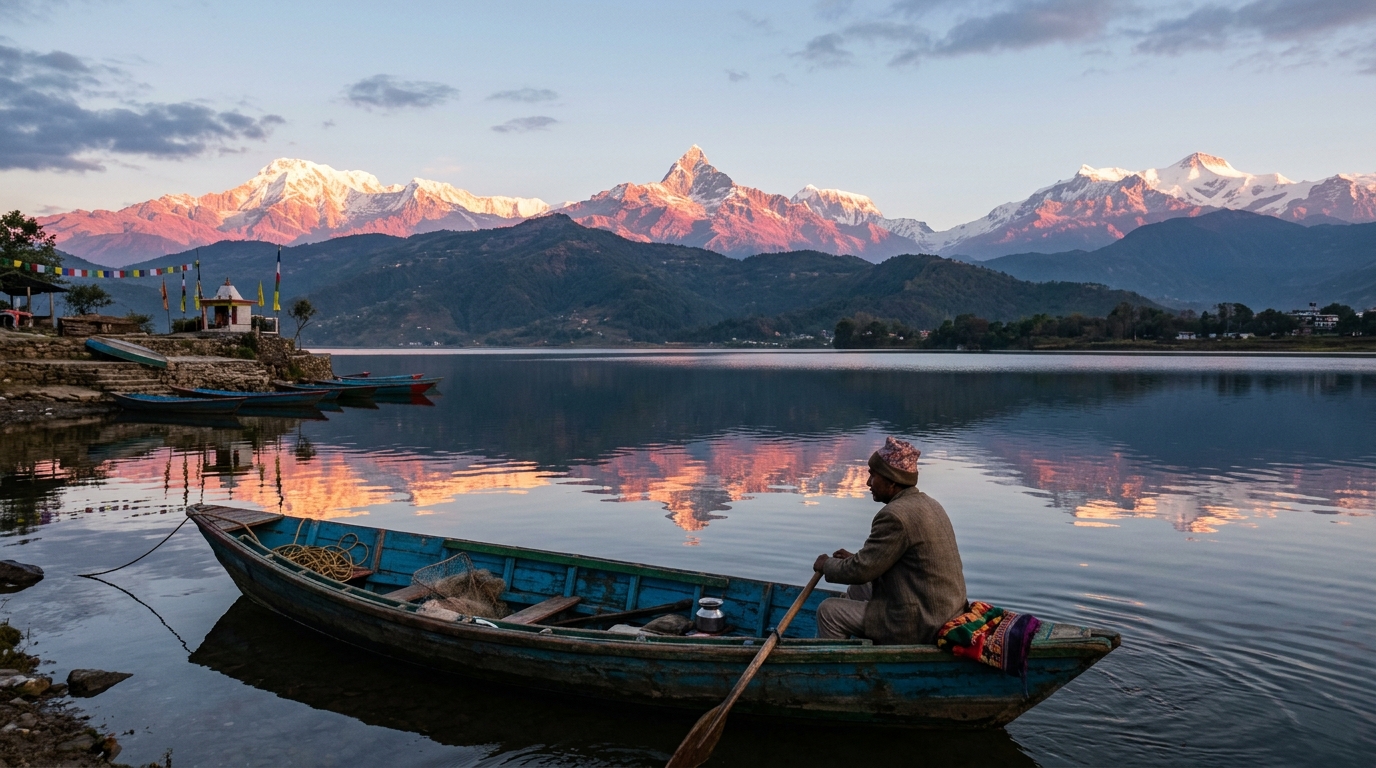
Ravangla Trek Timing: Rhododendron Peak & Best Weather Window
Most travel guides treat Ravangla as a generic "year-round" trek, and most AI planners slot it into generic Sikkim itineraries without asking when you're actually going. The truth is sharper: Ravangla's bloom windows are narrow, rainfall patterns shift weekly, and your trekking difficulty—and cost—change by season. This guide gives you the exact dates, the week-by-week breakdown, and the real INR impact so you hike when conditions match your fitness and budget.
1. The Rhododendron Bloom Window: Exact Timing & Variety
Ravangla sits at 2,286 metres on the Sikkim-West Bengal border. Rhododendrons here bloom in overlapping waves, not all at once. The common misconception is that "March–April" means the same thing every year—it doesn't. Timing depends on altitude variation (the trek climbs 700 m) and the previous winter's snowfall.
Between late February and early May, you'll encounter different species at different elevations:
| Species | Typical Peak Bloom | Altitude Zone | Colour | Notes |
|---|---|---|---|---|
| Rhododendron cinnabarinum | Late Feb–early Mar | 2,000–2,200 m | Deep red/scarlet | Appears first; fades by April |
| Rhododendron arboreum | Mid-Mar–early Apr | 2,200–2,400 m | Pink/red | Most abundant; peak photography window |
| Rhododendron campanulatum | Late Mar–mid-Apr | 2,400–2,500 m | Lavender/purple | Higher slopes; shorter bloom window |
| Rhododendron wightii | Late Apr–early May | 2,500+ m | White/pale pink | Summit zone; fragile; appears late |
The peak overlap window is 10–25 March—when lower red species are still flowering and mid-altitude pinks are emerging. Book accommodation by December if you want March dates. By mid-April, 60% of lower-altitude flowers have dropped; by late April, only high-altitude species remain visible, but the trek becomes crowded (schools are on spring break).
After May 1st, the rhododendrons are done. You'll get lush green forest, which is beautiful for different reasons—but you're not trekking for blooms.
2. Rainfall Patterns & Weekly Trek Difficulty (June–September)
The monsoon hits Sikkim hard. June through September is wet, slippery, and dangerous—but many Indian hikers attempt it anyway because of cheap accommodation rates and school holidays.
Here's the weekly reality:
| Period | Avg. Daily Rain | Trek Difficulty | Leech Risk | Accommodation Cost | Why/Why Not |
|---|---|---|---|---|---|
| 1–15 June | 150–200 mm | Moderate | High | ₹1,200–1,500 | Trails slick; expect 2+ slips per day. OK for fit hikers. |
| 16–30 June | 200–250 mm | Difficult | Very High | ₹1,200–1,500 | Peak monsoon begins; visibility drops to 20m. Leeches aggressive. |
| 1–15 July | 250–350 mm | Very Difficult | Extreme | ₹1,000–1,200 | Heaviest rain window. Sections impassable some days. Not recommended. |
| 16–31 July | 200–280 mm | Difficult | Very High | ₹1,000–1,200 | Still heavy; clearings brief; still many leeches. |
| 1–15 Aug | 180–220 mm | Moderate-Difficult | High | ₹1,200–1,500 | Rain begins to ease; humidity drops; trail dries faster. Viable if you're experienced. |
| 16–30 Sept | 80–150 mm | Moderate | Moderate | ₹1,500–2,000 | Post-monsoon clarity arrives; trek dries fast. Excellent for fitness-focused hikers. |
| 1–15 Oct | 30–60 mm | Easy | Low | ₹2,000–2,500 | Clear skies return; visibility 40+ km. Perfect conditions. Higher rates start here. |
The key number: August 15–September 15 is the sweet spot after monsoon. Rain has eased, leeches are fewer, and accommodation rates haven't spiked yet. You'll pay ₹1,200–1,500 per night instead of October's ₹2,000+. A 2-night trek costs ₹2,400–3,000 vs. ₹4,000–5,000.
If you trek mid-July, budget extra for a guide (₹800–1,200/day) because visibility is dangerous. Rope sections become necessary.
3. Temperature, Acclimatization & Altitude Risk by Season
Ravangla's altitude isn't extreme—the summit sits at 2,286 m, below the acute mountain sickness (AMS) threshold. But starting elevation matters. Most trails begin at 1,500–1,600 m, giving you 600–700 m to climb in a day. Temperature swings are sharp, and dehydration affects Indian lowlanders more than you'd expect.
| Season | Start Temp (Base) | Summit Temp | Temp Swing | AMS Risk | Water Loss/Day | Best for |
|---|---|---|---|---|---|---|
| Mar–Apr | 15–18°C | 8–10°C | 7–8°C | Very Low | 1.5–2L | Acclimatized hikers; families |
| May | 20–22°C | 12–14°C | 8–10°C | Low | 2–2.5L | Fit hikers; hot-weather adapted |
| June | 22–24°C | 14–16°C | 8–10°C | Low | 2.5–3L | Monsoon-adapted (experienced) |
| July–Aug | 20–22°C | 11–13°C | 9–11°C | Low | 2–2.5L | Fit, experienced monsoon hikers |
| Sept–Oct | 18–20°C | 9–11°C | 9–11°C | Very Low | 1.5–2L | First-time trekkers; families |
| Nov–Dec | 12–15°C | 2–5°C | 10–13°C | Low | 1.2–1.5L | Cold-weather hikers; photography |
AMS is rare at 2,286 m for Indian hikers starting from 1,500+ m, but rapid ascent (6+ hours) in May heat causes heat exhaustion. March hikers climb cooler, slower, and safer. September hikers avoid both heat and extreme cold.
Temperature drops 1°C per 100 m of elevation. Carry a fleece for March–April summits—wind chill at 2,286 m with 30 km/h wind feels like 2°C.
4. Cost Breakdown by Season: Flights, Accommodation & Food
Indian travelers from DEL, BOM, or BLR pay different amounts depending on season. Here's a real 2-night trek from Delhi:
March (Peak Bloom Window):
- Flights (DEL–Bagdogra): ₹6,000–8,500 (round-trip, 2 wks advance)
- Bagdogra to Ravangla (taxi, 4 hrs): ₹1,200–1,500 (shared: ₹300–400/person)
- Trek accommodation (2 nights): ₹2,800–3,200 (₹1,400–1,600/night)
- Meals & porter (optional): ₹1,500–2,000
- Total: ₹12,000–16,200 for one person (mid-range)
September (Post-Monsoon, Lower Rates):
- Flights: ₹5,000–6,500 (off-peak)
- Transport: ₹1,000–1,200
- Trek accommodation: ₹2,400–3,000 (₹1,200–1,500/night)
- Meals & porter: ₹1,500–2,000
- Total: ₹10,000–13,200
October (Peak Tourist Season):
- Flights: ₹7,500–10,000 (weekends higher)
- Transport: ₹1,200–1,500
- Trek accommodation: ₹4,000–5,000 (₹2,000–2,500/night)
- Meals & porter: ₹2,000–2,500
- Total: ₹16,000–20,500
Use the Trip budget calculator to lock in flight prices 4 weeks ahead. Flight costs swing by ₹2,000–3,000 based on weekend vs. weekday booking.
5. Week-by-Week Trek Difficulty & Fitness Requirements
The trek itself is a day hike or light 2-day trek, not an expedition. But week-by-week conditions change the grading:
March 1–15 (Optimal Window)
- Conditions: Cool, dry, clear skies until 10 AM. Afternoon clouds normal.
- Difficulty: Easy–Moderate. Ascent 700 m over 4–5 hours. No scrambling.
- Fitness: Anyone with 2+ hours walking fitness. Families OK.
- Start time: 6 AM; summit by 11 AM; descend 1–2 PM.
March 16–31 (Still Good, Crowded)
- Conditions: Warm mornings (18°C+), afternoon clouds frequent, brief rain possible (10% chance).
- Difficulty: Moderate. Trail dusty; occasional slippery patches from previous rain.
- Fitness: 2–3 hours walking experience minimum.
- Start time: 5:30 AM (heat kicks in by 10 AM); summit by 10:30 AM.
April–May (Heat & Thinning Blooms)
- Conditions: Hot (22°C+), afternoon clouds/thunderstorms common (30% rain chance May).
- Difficulty: Moderate–Difficult (due to heat, not terrain). Dehydration risk high.
- Fitness: Regular walkers; anyone prone to heat exhaustion should avoid May.
- Start time: 5 AM sharp; finish by 10 AM to avoid midday heat.
June–July (Monsoon Peak, Leeches)
- Conditions: Wet, slippery, visibility <50 m most days. Leeches dense after 9 AM.
- Difficulty: Difficult–Very Difficult. Rope sections necessary. Experienced hikers only.
- Fitness: Alpine trekking experience required; scrambling ability needed.
- Start time: Pre-dawn (5 AM) to finish before midday rain. Full rain gear essential.
August (Monsoon Easing)
- Conditions: Rain 40% of days; humidity drops; leeches present but less aggressive.
- Difficulty: Moderate–Difficult. Manageable for fit, experienced hikers.
- Fitness: 3+ years trekking experience; monsoon-adapted gear essential.
- Start time: 6 AM; descent by 1 PM before afternoon rain.
September–October (Ideal Post-Monsoon)
- Conditions: Clear (80% sunny days), cool mornings (15–18°C), dry underfoot by 8 AM.
- Difficulty: Easy–Moderate. Safest conditions of year.
- Fitness: Beginners welcome; families encouraged.
- Start time: 6–7 AM (sunrise at 6:10 AM Sept., 6:45 AM Oct.); summit by 11 AM.
November–December (Cold, Clear, Sparse Tourists)
- Conditions: Freezing mornings (10–12°C), clear skies, frost above 2,100 m.
- Difficulty: Moderate (cold + altitude interaction). Risk of slips on frost patches.
- Fitness: Cold-weather trekkers; adequate warm gear essential (thermal layers, down jacket).
- Start time: 7–8 AM (daylight after 6:50 AM Nov.); summit by 12 PM; descend immediately.
6. How to Choose Your Dates: A Decision Matrix
Use this logic:
You want rhododendrons + manageable weather: → March 10–25 (book flights by mid-December). Cost: ₹12,000–16,000. Best photos.
You want good weather + lower costs + manageable crowds: → September 1–20 (book 3 weeks ahead). Cost: ₹10,000–13,000. Fewer blooms, lush greenery.
You want perfect conditions but highest cost: → October 10–25 (book 4 weeks ahead). Cost: ₹16,000–20,000. Clearest skies, driest trails.
You want challenge + monsoon experience + cheapest rates: → August 10–25 (book 2 weeks ahead). Cost: ₹9,000–12,000. Needs fitness; guide mandatory (₹800–1,200/day).
You want solitude + cold-weather photography: → November 5–30 (book 2 weeks ahead). Cost: ₹11,000–14,000. Frost, fewer tourists.
Before finalizing, use the Trip reality check tool to cross-check your chosen dates against actual weather archives and crowd data for your specific dates.
Frequently Asked Questions
What is the exact date when rhododendrons start blooming at Ravangla?
Rhododendron cinnabarinum (the lowest-altitude red species) begins blooming in late February, with visible flowers by February 20–28 most years. However, the peak bloom when all species overlap is March 10–25. If you're trekking before March 1st, expect sparse, scattered flowers; after April 15, most blooms have faded. Book for mid-March if blooms are your primary goal.
How much more difficult is Ravangla Trek during monsoon season?
Monsoon makes the trek 2–3 difficulty levels harder. Trails become slippery (expect 2–4 slips per day), visibility drops to 20–50 metres, and leeches are aggressive. A "Easy–Moderate" March trek becomes "Difficult–Very Difficult" in July. Rope sections are needed; a guide is mandatory (₹800–1,200/day extra cost). Only attempt if you have 5+ years trekking experience. Better to trek August 15+ when conditions ease to "Moderate–Difficult."
Can I trek Ravangla in May if I'm a fit hiker from Delhi?
Yes, but with caution. May is hot (22–24°C at the base, 12–14°C at summit) and dry, so trails are clear. However, dehydration risk is high for lowlanders accustomed to Delhi's low altitude. Carry 3–3.5 litres of water, start at 5 AM to finish before 10 AM heat, and avoid if you're prone to heat exhaustion. Rhododendrons will be mostly gone; you're trekking for fitness and views, not blooms. September is safer for heat-sensitive hikers.
Is October really 40% more expensive than September for Ravangla Trek accommodation?
Yes. September rates are ₹1,200–1,500/night; October rates jump to ₹2,000–2,500/night (+67% at peak). This is because schools finish holidays (fewer family groups) and international tourists arrive (higher demand). Flights also rise ₹2,000–3,000. Book accommodation by August if targeting October. Alternatively, September 1–20 offers 80% of October's clarity at 50% of the cost.
What is the difference between trekking Ravangla in March versus September?
March: cooler temperatures (8–10°C summit), rhododendrons in bloom, fewer tourists, faster descent times due to cold, higher flight costs (₹6,000–8,500), accommodation booked 3 months ahead. September: warmer (9–11°C summit), lush green forest (blooms faded), 20% more tourists than March but 60% fewer than October, lower flight costs (₹5,000–6,500), better accommodation availability, 15% cheaper lodging. Both are excellent; March if blooms matter, September if budget and availability matter.
Ready to Trek Ravangla? Plan Your Exact Dates Now
The window between March 10–25 and September 1–20 covers 95% of Indian hikers' best experiences. Don't guess your dates—lock them based on rhododendron bloom, rainfall data, and your fitness level. Use the Visa wizard for Indians if this is your first Sikkim trip (India visa-free, but check permit rules for restricted areas). Check the Forex & bargain check for Bagdogra accommodation rates and porter costs—real-time pricing shifts weekly.
Your trek date is set. Now build your full itinerary: flights, accommodation, permits, acclimatization stops. Generate your free AI itinerary →