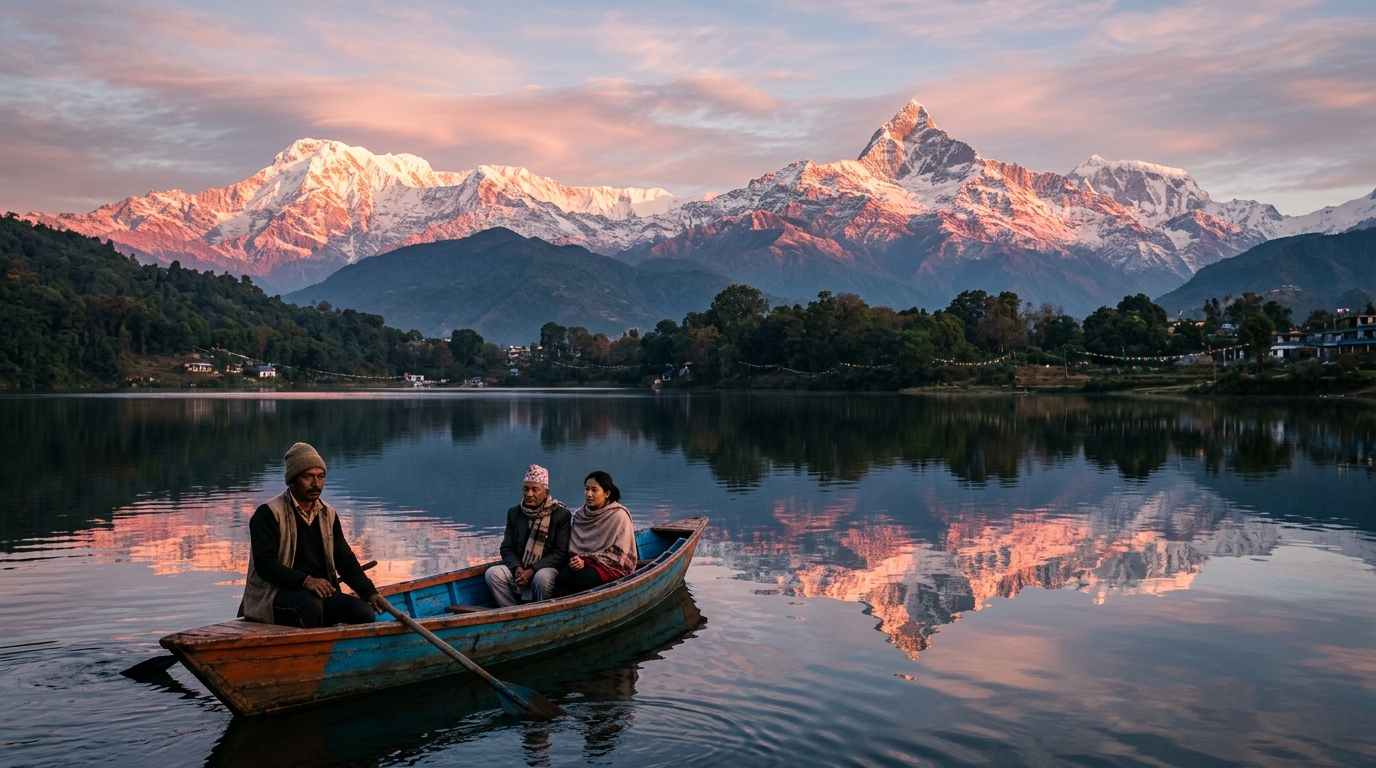
Ravangla Trek Timing: Rhododendron & Weather Peak
Most Indian trekking blogs treat Ravangla as a "year-round destination" and gloss over when the rhododendrons actually bloom. The truth is sharper: the window for peak flowers is exactly 3–4 weeks in March–April, rainfall patterns shift dramatically by May, and your 3–5 day window matters more than your fitness level. Miss the bloom by two weeks and you've lost half the trek's magic—arrive during unseasonal rain and you'll see rockfalls instead of views.
1. Rhododendron Bloom Timeline: The Exact Dates
Ravangla's rhododendron display doesn't follow a fixed calendar; it follows snowmelt and soil temperature. In a normal year, the first flowers appear in the second week of March in the lower zones (2,500–3,000m), and peak bloom across the entire trail stretches from late March to mid-April.
The bloom cascade works like this:
- Early March (1–15 March): Sparse flowers at lower elevations; many blooms still in bud. Trek is passable but underwhelming unless you're hiking for views, not flowers.
- Mid-to-Late March (16–31 March): Lower and mid-elevation zones (up to 3,500m) explode with colour. This is the single best window for most Indian trekkers.
- Early April (1–15 April): Upper zones reach peak; lower zones begin to fade. Weather remains stable. Secondary peak for high-altitude flowers.
- Mid-April onward (16 April+): Flowers thin rapidly; monsoon rain increases. By end of April, bloom is 60% gone.
A comparative table of bloom intensity by zone:
| Elevation Zone | Early March | Mid-Late March | Early April | Mid-April+ |
|---|---|---|---|---|
| 2,500–3,000m (Base) | 10% | 80% | 60% | 20% |
| 3,000–3,500m (Mid) | 5% | 60% | 90% | 40% |
| 3,500–4,000m (Upper) | 0% | 20% | 80% | 30% |
| Ideal trek time | Skip | Peak | Strong | Avoid |
Why this matters: if you trek 23–30 March, you'll catch the lower and mid-zone blooms at 80–90% intensity. If you wait until 10 April, upper zones reward you, but lower zones—which you pass first—are half-bare. Plan accordingly based on your fitness and acclimatisation pace.
2. Rainfall Patterns & Monsoon Onset
Ravangla sits in Sikkim's rain shadow—but only until May. The pre-monsoon season (March–April) sees negligible rainfall, while May onwards turns treacherous.
Rainfall breakdown by month across a 5-year average in Ravangla area:
| Month | Avg. Rainfall (mm) | Rainy Days | Trek Difficulty | Notes |
|---|---|---|---|---|
| February | 45 | 3–4 | Easy | Clear, cold mornings |
| March | 80 | 5–6 | Easy | Flowers start; minimal interruption |
| April | 120 | 7–8 | Moderate | Afternoon showers common; paths wet |
| May | 280 | 15–18 | Hard | Landslides, leeches; many trails close |
| June–September | 400–600 | 20+ | Very Hard | Monsoon; trekking not recommended |
The practical truth: March and early April are dry enough that a 4–5 day trek faces almost zero rain delays. By mid-April, you'll encounter 1–2 afternoon showers; by late April, the risk jumps to daily downpours. The best strategy is to trek 20 March–10 April to dodge both pre-monsoon rain and post-peak flower decline.
3. Optimal Trek Windows for 3–5 Day Itineraries
Ravangla Base Camp trek (standard 3–5 day route) works best in these specific windows. Your choice depends on acclimatisation tolerance and flower priority.
Window A: 20–28 March (8 days)
- Peak bloom across all zones.
- Daytime temps: 12–18°C; nights: 2–6°C.
- Zero rain interruption expected.
- Best for: First-time trekkers from plains (Delhi, Mumbai, Bangalore) who need 1–2 acclimatisation days.
- Crowd level: Moderate (post-Holi rush).
- Cost impact: Mid-range (flights, guides not yet peak-season pricing).
Window B: 29 March–10 April (12 days)
- Lower zones at 60–70% bloom; mid–upper zones at 80–95%.
- Daytime temps: 14–19°C; nights: 3–8°C.
- Rare afternoon showers; mostly clear.
- Best for: Fit trekkers, repeat visitors, those combining Ravangla with Kechopalri Lake or other Sikkim treks.
- Crowd level: Peak (Easter holidays + National holidays).
- Cost impact: High (flights +15–20%, guides 30% premium).
Window C: 11–20 April (10 days)
- Upper zones in peak; lower zones noticeably sparse.
- Daytime temps: 16–20°C; nights: 6–10°C.
- 1–2 afternoon showers expected; paths muddy after 2pm.
- Best for: Acclimatised trekkers, those doing 4–5 day high-altitude loops.
- Crowd level: Moderate (post-Easter drop).
- Cost impact: Slightly lower (guides 10% discount vs. peak).
Use the Trip reality check tool to cross-check weather forecasts for your exact dates before booking flights.
4. Acclimatisation & Trek Pace Strategy
The Ravangla trek climbs from ~2,600m (base village) to 3,800m (base camp) in 2–3 days. For most Indian plains dwellers (Delhi, Mumbai, Bangalore, Hyderabad), this pace risks acute mountain sickness (AMS). Timing and pacing are therefore linked.
If trekking 20–28 March:
- Day 1: Drive Gangtok → Ravangla (~3 hours). Rest and acclimatise at 2,600m.
- Day 2: Trek to Deorali Camp (3,200m). Short, easy day. Sleep low.
- Day 3: Trek to Ravangla Base Camp (3,800m). Slower pace. Spend full day resting.
- Day 4–5: Day walks from base camp; explore blooms; descend.
This 5-day structure avoids pushing above 3,200m on Day 1. Headaches, nausea, and poor sleep are minimised.
If trekking 11–20 April:
- Flowers are better at higher elevations, so acclimatisation becomes critical.
- Same 5-day structure, but compress Day 1–2 only if you've trekked at altitude before.
- Pre-trek advice: arrive Gangtok 1 day early; hike a short local trail; sleep 2 nights before starting Ravangla.
For first-timers, the 3-day rush is never worth it. Book 4–5 days minimum. Use the Free AI itinerary generator to map your exact acclimatisation stages.
5. Temperature, Daylight & Gear Strategy by Month
Ravangla trekking hinges on daylight hours and temperature swings. March and April shift rapidly—you need gear that adapts.
| Factor | March | Early April | Mid-April |
|---|---|---|---|
| Sunrise | 6:45am | 6:15am | 5:50am |
| Sunset | 6:30pm | 6:50pm | 7:05pm |
| Daylight hours | 11h 45m | 12h 35m | 13h 15m |
| Max temp (day) | 16°C | 19°C | 20°C |
| Min temp (night) | 2°C | 5°C | 8°C |
| Wind chill impact | High | Moderate | Low |
Gear essentials by season:
- March: Thermal base layers (wool or synthetic), fleece mid-layer, windproof jacket, wool socks (2 pairs). Hat and gloves non-negotiable. Down sleeping bag (comfort rating: 0°C or below).
- Early April: Fleece sufficient in place of full thermal. Thin gloves often enough. Down bag still necessary for night temps.
- Mid-April: Single thermal layer often excess. Fleece necessary only at dawn/dusk. Lighter sleeping bag acceptable.
The rookie mistake: trekkers arriving in mid-April assume "no snow, so it's warm" and skip down bags. Night temps at 3,800m still drop to 6–8°C. Your body loses heat fast at altitude; pack for nighttime, not midday.
6. Flower Photography & Optimal Light Windows
If you're trekking for Instagram or nature shots, timing + hour of day matters as much as date.
Rhododendron colours peak under:
- Golden hour (6:30–7:30am, 5:00–6:30pm): Reds and deep pinks glow; shadows add depth. Best photography window.
- Midday (11am–2pm): Colours wash out; harsh shadows. Avoid shooting blooms directly overhead.
- Overcast (common after noon in April): Soft, even light. Best for macro flower shots; worst for landscape composition.
Photography timing by season:
- 23–30 March: Climb early (start 6:30am trek), photograph blooms 7–8am as you pass them, continue hiking by 9am. Flowers are fresher; light is golden.
- 1–15 April: Same strategy, but flowers appear at higher elevations. Start earlier (6am) to photograph mid-elevations before climbing further.
- 16–30 April: Afternoon rain risk means morning light is your only safe bet. Early start non-negotiable.
Pack a tripod for self-portraits with blooms. Arrive during peak bloom window (20 March–10 April), start treks at 6am, and your phone photos will rival DSLRs.
Frequently Asked Questions
When exactly do rhododendrons bloom on Ravangla Trek?
Rhododendron bloom cascades from mid-March to mid-April, with peak intensity between 23 March–10 April. Lower elevations (2,600–3,000m) peak first in late March; upper zones (3,500–4,000m) reach their best in early-to-mid April. Blooms begin to thin visibly after 15 April, and by end of April, 60–70% of flowers have faded or dropped.
Is Ravangla Trek worth doing after mid-April?
After 15 April, the trek is worth doing only if your priority is altitude experience, not flowers. Blooms are 40–50% visible, rain risk jumps to 1–2 daily showers, and paths are muddy. Temps are warmer (easier acclimatisation), and crowds drop. Ideal only if you're combining Ravangla with other Sikkim high-altitude treks and flowers are secondary.
How much does the Ravangla Trek cost in peak bloom season vs. off-peak?
In peak bloom (20 March–10 April): ₹22,000–32,000 per person (flights DEL/BOM/BLR ₹8,000–14,000, guide+porter ₹6,000–8,000, stay ₹3,000–4,000, food ₹2,000–3,000, permits ₹1,500). In mid-April onward: ₹16,000–24,000 (same components, guides 20–30% cheaper). Check Trip budget calculator to map your exact spend.
Can I trek Ravangla in February or May?
February works: flowers are sparse (10–20% bloom), but daytime temps are milder and rain is virtually zero. Best for acclimatisation or solo hikes. May: avoid entirely—monsoon onset brings landslides, leeches, daily rain, and trekking is dangerous. Most local outfitters close trails by mid-May.
What's the difference between trekking Ravangla via Gangtok vs. NJP railway?
From Gangtok (2,000m): 3-hour drive to Ravangla base, easier acclimatisation, can add Kechopalri Lake or Khecheopalri Lake hikes. From NJP railway station (300m): 5–6 hour drive, tougher AMS risk (altitude spike), but saves ₹3,000–5,000 on flight from plains if taking Rajdhani train from Delhi. Both treks are 4–5 days total; Gangtok option is recommended for first-timers. Use Visa wizard for Indians and Forex & bargain check to cross-check visa and currency needs if combining India + Nepal entry points.
Ready to Trek Ravangla at Peak Bloom?
Timing the Ravangla trek for late March or early April isn't just about luck—it's about knowing exactly when snowmelt triggers the flower burst and when pre-monsoon rain begins creeping in. Book your trek 20 March–10 April, arrive Gangtok one day early to acclimatise, start your trek at dawn, and you'll see blooms that justify every rupee and every litre of altitude-thinner air.
Ravangla's rhododendrons wait for no one—and neither should you. Build your trip day-by-day, account for altitude and weather, and lock in your exact trek dates now. Generate your free AI itinerary →