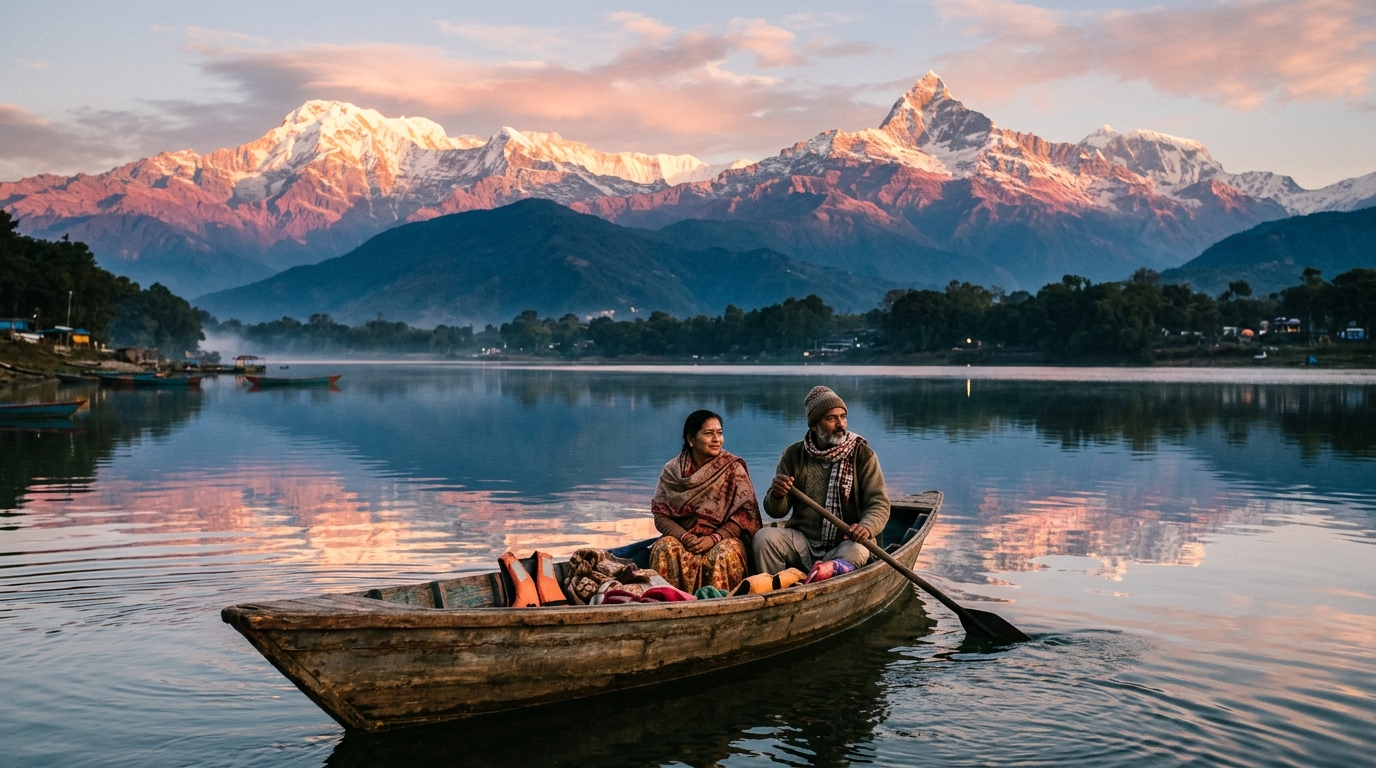
Ravangla Weather & Trek Seasons: Full Year Guide
Most travel blogs lump Sikkim into "visit during autumn" without explaining why Ravangla's seasons shift so dramatically—or why April crowds double your lodge prices while June offers solitude and wildflowers. Ravangla sits at 1,800 metres in South Sikkim, where weather swings between monsoon cloudbursts and clear skies with the precision of a hill-station timer. This guide maps the exact weeks when you'll summit with 360° views, when rhododendrons erupt, and when mudslides close the trail entirely.
1. January to March: Clear Skies, Frigid Mornings, Peak Tourist Season
January opens Ravangla's clearest hiking window. Overnight temperatures drop to 2–5°C at the summit; day temperatures hover at 10–15°C. The air crystallises. Views of Kanchendzonga stretch unbroken, and the rhododendron forests stand leafless—better for photography, tougher on visibility. Winter clarity is rare in Sikkim, and trek operators capitalise hard. Ravangla Peak trails fill by 7:00 AM; accommodation in Ravangla town (not the peak) costs ₹1,200–₹2,000/night during peak weeks.
February is nearly identical but slightly warmer (4–8°C nights, 12–18°C days). Frost coats the higher meadows until 9:00 AM. Rare light snowfall (maybe once per decade) turns the summit into a postcard for 2–3 hours before melting. March marks the danger zone: afternoon thunderstorms arrive unpredictably mid-month, and by late March, the monsoon's advance guard brings cloud cover and showers. Tourist crowds triple in late February–early March as Delhi–Kolkata schools close for holi. Book accommodation 3–4 weeks ahead.
| Month | Daytime Temp | Night Temp | Rainfall | Summit Views | Crowds |
|---|---|---|---|---|---|
| January | 10–15°C | 2–5°C | Minimal | Excellent | High |
| February | 12–18°C | 4–8°C | Minimal | Excellent | Very High |
| March | 15–20°C | 7–12°C | Increasing | Good to poor | Very High |
Cost estimate (Jan–Mar, per person): Flights ₹12,000–₹18,000 (Delhi/Kolkata to Bagdogra), accommodation ₹1,500–₹2,000/night, food ₹400–₹600/day, trek permit & guide ₹800–₹1,200. Total: ₹30,000–₹45,000 for 5 days.
2. April to May: Rhododendron Bloom, Afternoon Rains, Crowded Trails
April is Ravangla's rhododendron festival month. Pink and red blossoms explode across the 1,500–2,000-metre band. Temperature swings are dramatic: mornings at 8–12°C, afternoons at 20–25°C. Afternoon thunderstorms arrive by 2:00 PM, almost every second day. Trails turn muddy by 3:00 PM; start summit hikes by 6:00 AM if you want dry conditions. The rhododendron bloom peaks mid-April to early May; by late May, flowers fade but the vegetation stays lush and green.
Crowds here rival Kulu-Manali. Ravangla town hosts wedding parties and school groups. Accommodation jumps to ₹2,500–₹3,500/night; guide rates push ₹1,500–₹2,000. Tourist inflow swells because schools break for summer and Instagram algorithms favour rhododendron photos. A clear summit view is far from guaranteed—clouds roll in by noon most days. If you prioritise solitude over blooms, skip April and book May's tail end instead.
May settles into a rhythm: 15–22°C days, 10–15°C nights, occasional clear mornings, guaranteed afternoon rain. Leeches appear after 11:00 AM (bring salt or leech-repellent spray from your Survival phrasebook). Permits require ₹500–₹800; local guides cost ₹1,200–₹1,600. Forest guards ask for IDs at the Ravangla Range Office checkpoint; Indian nationals face no visa delays, but keep your PAN card or Aadhar accessible.
3. June to August: Monsoon, Silence, Landslide Risk
June flips Ravangla into a closed-door zone for casual hikers. Rainfall averages 600–800 mm across the month. Trails vanish under mud; landslides close access 3–4 times per season. Morning mist hangs at 1,600 metres; you'll walk in cloud from 8:00 AM onward. Temperature stays mild (12–18°C), but visibility crumbles. The reward: zero tourists, zero permits required in some years, and ferns/mosses at their most vivid. Orchids bloom. Streams roar. It's a landscape photographer's dream and a summit-view chaser's nightmare.
July and August intensify the monsoon. Daily rainfall hits 400+ mm on wet days. Landslides are routine. The Ravangla Range Office sometimes shuts the trail entirely; call ahead (+91-3592-267-xxx, main office number via South Sikkim District Tourism). Guides are rare—many farm or work local jobs during peak rain. If you go, hire a local guide who knows current conditions (₹800–₹1,200 for a day). Accommodation drops to ₹800–₹1,200/night.
Few Indian travellers venture here during monsoon, but advanced hikers prize June for its raw beauty and solitude. Altitude sickness is rare at 1,800 m, but slip hazards are extreme. Never hike alone. Bring:
- Waterproof rucksack cover (₹300–₹500 in Gangtok)
- Gaiters for mud/leeches
- Trekking poles (essential on wet slopes)
- First-aid kit with bandages (landslides mean cuts)
4. September to October: Monsoon Tail, Clearing Skies, Best Overall Trekking
September is a gamble. The monsoon tapers, but September 1–15 still sees 200+ mm rainfall on some days. By September 20, the pattern shifts: mornings clear, clouds build around 11:00 AM, rain comes 2:00–5:00 PM, skies clear by sunset. Summit views arrive on 60–70% of days—far better than June–August. Temperature ranges: 12–20°C days, 8–13°C nights. Trails dry enough to hike safely by 7:00 AM.
October is Ravangla's true peak season after tourism hype settles. Daytime temperatures peak at 18–24°C; nights drop to 6–10°C. Rainfall is minimal (20–50 mm most weeks). Cloud cover clears by 10:00 AM on average; summit views are excellent. Rhododendron foliage turns amber and bronze. Crowds exist but feel manageable compared to April. Accommodation costs ₹1,500–₹2,200/night. Guides charge ₹1,000–₹1,400.
A side note: The Ravangla Peak trek route splits into two paths—the northern route (steeper, 5–6 hours) and southern/tea-garden route (gentler, 6–7 hours). In October, combine both in a single day hike (8–9 hours total), as daylight extends until 5:30 PM and trails are bone-dry. Use the Trip reality check to validate elevation gains against your fitness level.
| Month | Temperature Range | Rainfall | Trek Safety | Views | Cost/Night |
|---|---|---|---|---|---|
| September | 12–20°C | 200+ mm (early); <50 mm (late) | Moderate | Good | ₹1,200–₹1,800 |
| October | 18–24°C | 20–50 mm | Excellent | Excellent | ₹1,500–₹2,200 |
5. November: Post-Monsoon Clarity, Altitude Shift
November opens with crisp, cloudless days. Temperature: 12–20°C by day, 4–8°C at night. Kanchendzonga visibility extends for hours. This is the second-best trekking window after October, yet tourism cratering means permits cost ₹500, guides ₹800–₹1,000, and accommodation ₹900–₹1,400/night. Crowds thin dramatically after Diwali (late Oct/early Nov). Schools are in session; office workers haven't booked leave yet.
A unique advantage: morning frost paints the summit meadows silver, melting by 9:00 AM. Photography is pristine. Leeches are dormant. Trails are packed hard from dry October winds—less mud than October, despite similar rainfall totals. Bring a fleece; summit mornings are harsh. By late November, the upper reaches can dip toward snow-line conditions (unlikely at 1,800 m, but prepare for 0°C nights). Water sources freeze by 4:00 AM; carry a thermos of hot water if you're camping. Most trekkers don't stay overnight at the summit, but day hikes run 6–7 hours with an early (5:30 AM) start.
6. December: Cold Start, Holiday Rush, Compromised Conditions
December begins cold and clear but pivots hard mid-month as school holidays commence. Temperatures drop: 10–16°C days, 0–5°C nights. Upper meadows frost nightly. Trails remain dry through early December, then tourist swarms arrive around December 20th (Christmas break). Ravangla town accommodation fills; options shrink. Rates jump to ₹1,800–₹2,500/night.
The first 15 days of December are excellent for trekking—few tourists, clear views, manageable cold. After December 15, expect crowds comparable to March. If you're planning a December trek, book Dec 1–14. Late December (after 20th) offers clear skies but is hectic and costly. The alternative: visit Ravangla in November when conditions are nearly identical but prices are 30–40% lower.
Frequently Asked Questions
When is the absolute best time to trek Ravangla?
October and early November offer the highest combination of clear views, manageable crowds, and safe trail conditions. October peaks at 18–24°C, with minimal rainfall and summit visibility extending 4–6 hours daily. November costs less (accommodation ₹900–₹1,400 vs. October's ₹1,500+) and sees thinned crowds, though nighttime cold exceeds 0°C. If you choose one month, pick October.
Can I trek Ravangla during the monsoon (June–August)?
Technically yes, but landslides close the official trail 3–4 times per season, and visibility collapses entirely—you'll hike in mist. June is more doable than July–August; flowers bloom and experienced hikers enjoy the solitude. Call the Ravangla Range Office or South Sikkim District Tourism before booking. Never trek alone. Permits cost less (sometimes ₹0 if trails are closed), but lodging options shrink because guides avoid the season.
What is the difference between April and October for rhododendrons?
April shows the peak bloom explosion—pink and red flowers in full flush, creating postcard scenes. Crowds are triple, afternoon rains are daily, and summit views are compromised. October shows rhododendron foliage turning amber, with blooms already faded (unless there's a late flush). Far fewer tourists, clearer skies, and lower costs—but you lose the flower spectacle. Choose April for blooms, October for overall trekking quality.
How much will a Ravangla trek cost in January versus April?
January estimate (per person, 5 days): Flight ₹12,000–₹18,000, accommodation ₹1,500–₹2,000/night (₹7,500–₹10,000 total), food ₹400–₹600/day (₹2,000–₹3,000), trek permit ₹800, guide ₹1,000–₹1,200. Total: ₹33,300–₹44,700. April estimate: Flight same (₹12,000–₹18,000), accommodation ₹2,500–₹3,500/night (₹12,500–₹17,500), food ₹400–₹600/day (₹2,000–₹3,000), trek permit ₹800, guide ₹1,500–₹2,000. Total: ₹40,800–₹56,300. April costs 20–30% more due to school holidays and rhododendron-peak demand. Use the Trip budget calculator to break down flights from your home city.
Do I need any permits or visas for Ravangla?
Indian nationals need no visa. You'll need to register at the Ravangla Range Office (or hire a guide who handles it); bring PAN, Aadhar, or passport. Trek permits cost ₹500–₹1,000 and are issued same-day. Foreign nationals require a Protected Area Permit (PAP) from the District Tourism office in Gangtok (₹500–₹750, processed in 1–2 days). Check the Visa wizard for Indians for cross-border concerns if you're combining Ravangla with Nepal or Bhutan.
The rhythm of Ravangla is simple: January–March and October–November are your windows for clear summits and good trekking. April–May trade solitude for rhododendrons and chaos. June–August close the door on casual hikers—come only if you're chasing monsoon photography or advanced wilderness skills. December splits: early month is golden, late month is crowded. Plan around rainfall and crowds, not just temperature.
Ready to lock in your Ravangla trek dates and build a full Sikkim itinerary? Our AI planner breaks down weather windows, suggests nearby treks (Kanthalu, Singalila), and maps permits you'll need before arrival. Generate your free AI itinerary →