Ravangla Weather: When Rhododendrons Peak & Trek Works
Most guides tell Indian trekkers that Ravangla is best from March to May because "the rhododendrons bloom then." Generic AI planners assume you'll skip the monsoon entirely. In reality, peak rhododendron season lasts only 3–4 weeks, rainfall patterns let you trek safely in June, and January snowfall can trap you—yet these nuances never make it into standard blogs.
1. Rhododendron Bloom Windows: The Real Timeline
Ravangla's rhododendron forests are the draw, but their blooming window is narrow and depends on elevation. The main peak bloom happens in April across the 2,000–2,500 m zone where the Ravangla Trek runs. March sees scattered early bloomers; May catches the tail end. Miss these weeks, and you'll find bare branches or just green foliage.
The bloom window is compressed to roughly 3–4 weeks, so precise timing matters. From Sikkim's monsoon-facing slopes, soil moisture kicks in from late February, triggering flower emergence. By early May, high-altitude rhododendrons start shedding petals as heat and rain stress them. If you trek in mid-April from Delhi or Mumbai, you hit the peak. April is also dry enough for safe trekking—average rainfall is under 30 mm for the month.
Ravangla's primary rhododendron species and their indicative bloom peaks:
- Red rhododendrons (R. barbatum): Early April
- Pink/white varieties (R. campanulatum, R. falconeri): Mid-April
- Higher-altitude purple species: Late April to early May
- Low-altitude yellow/pink hybrids: Late March to early April
Use our free AI itinerary generator to lock in your trek dates once you know peak season.
2. Rainfall Patterns: When Trekking Stays Safe
The Southwest Monsoon (June–September) drenches Sikkim with 2,000+ mm of rain. But Ravangla—sitting at the rain-shadow edge—gets less than you'd expect, and trekking remains possible with the right precautions. Most Indian trekkers assume the entire monsoon is off-limits. It's not.
June and July average 150–200 mm of rainfall in Ravangla town itself, though the high passes (where the trek runs) see more. The risk isn't total washout; it's landslide exposure on steep ghat sections and slippery boulder fields. If you trek in June, go with a guide, avoid walking mid-day (when soil is waterlogged), and turn back if you see fresh rock debris. August is the wettest month in the region—skip it unless you're a monsoon-lover.
Rainfall by month (Ravangla area, approximate):
| Month | Rainfall (mm) | Trekking Feasibility | Notes |
|---|---|---|---|
| January | 10 | Risky | Snow above 2,000 m; trails icy |
| February | 15 | Good | Dry, cold; early rhododendrons start |
| March | 25 | Excellent | Drying trend; blooms accelerate |
| April | 30 | Excellent | Peak bloom; minimal rain |
| May | 80 | Good | Late blooms; afternoon showers common |
| June | 180 | Moderate | Landslide risk; early-morning treks only |
| July | 200 | Moderate | Wet but navigable; green forests |
| August | 240 | Avoid | Heaviest month; high trail washout |
| September | 180 | Moderate | Monsoon tail; clearing by month-end |
| October | 60 | Excellent | Clear, cool; second-best season |
| November | 20 | Excellent | Dry, stable; cold at night |
| December | 12 | Fair | Cold, frost risk; trails clear |
April and October are the two safest, driest windows. Check the Trip reality check tool to validate current conditions before booking flights from Bangalore, Chennai, or Kolkata.
3. Snowfall Risk and Winter Trek Conditions
January and February see occasional snowfall above 2,000 m, especially in late January. If you're trekking to Ravangla Peak (2,267 m) or beyond, snow can block trails entirely or create ice-slicked boulder scrambles. Indian trekkers often underestimate this because snow is rare in the plains—but in Sikkim's high elevations, it's a genuine hazard.
A single heavy snowfall in late January can lock down the upper trail for 5–7 days. Local guides post updates on WhatsApp groups, but tourists rarely have access. If you're planning a February trek, assume snow patches above 2,000 m and bring microspikes or traction devices. The risk compounds if you trek solo or without a local guide who knows the melt patterns.
December is drier than January but still cold—night temperatures drop to 2–5°C at 2,000 m. Insulate well, start early, and descend before dark.
4. Humidity and Visibility: Photography and Photo-Stop Planning
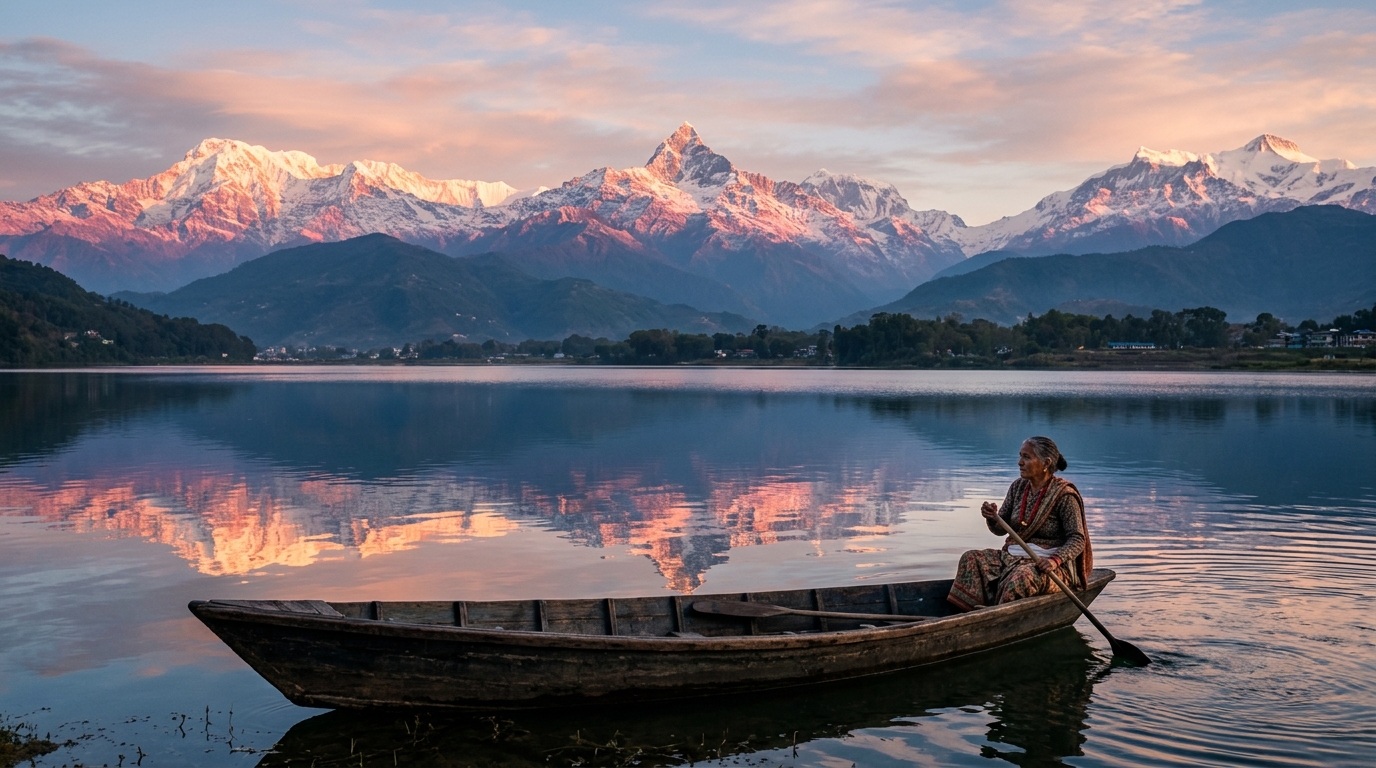
Ravangla's views to Kanchenjunga are legendary—but only if you can see them. The interplay of moisture and altitude determines visibility windows. April offers the clearest skies across India's trekking zones. By May, afternoon clouds roll in by 10:30 a.m., obliterating the peaks. June–September clouds camp over the ridges permanently.
Best visibility window: 5:00 a.m. to 9:30 a.m. in April–May. Start your trek before dawn to catch sunrise shots from Ravangla Peak. Humidity levels climb from 60% (April) to 80%+ (July). High humidity means your camera lens fogs immediately when you descend into forest. Bring a microfiber cloth and allow 10 minutes for acclimatization at each elevation jump.
October also gives clean views, but mornings are cool and skies clear by 7:00 a.m. If you're trekking in June–August, set expectations low—you'll see 100 meters ahead at best. The forest beauty is real, but peak views are gone. This matters because most Instagram-feed trekkers come for Kanchenjunga backdrops. Plan accordingly.
5. Temperature Swing by Altitude and Season
Ravangla town sits at 1,650 m; the peak is at 2,267 m. That 600 m elevation gain means temperature drops by 3–4°C. April daytime peaks at 12–15°C at the summit; nighttime dips to 5°C. By July, daytime is 8–10°C (cooler because of cloud cover), and nights fall to 2–3°C. This temperature profile matters if you're trekking solo or camping.
Most Indian trekkers from Delhi/Mumbai bring summer clothes to a winter trek environment. Ravangla is never tropical—even in "warm" April, you need a wool sweater or fleece for the summit and nights. A light rain jacket is mandatory year-round. Wind chill is often worse than raw temperature; on exposed ridges, April mornings feel like 0°C even if the thermometer reads 8°C.
Seasonal packing changes:
- February–March: Thermals, fleece, waterproof jacket, beanie, gloves
- April–May: Wool sweater, light rain jacket, sun hat, sunscreen
- June–August: Waterproof shell, wool layers, rope (for muddy scrambles), gaiters
- September–November: Similar to April–May; add a wind layer
- December–January: All layers from February–March, plus microspikes
Use the Trip budget calculator to factor in gear rentals in Ravangla town (available for ₹200–500 per day) if you're flying light.
6. Seasonal Wildlife and Leeches: A Trekker's Reality Check
April and October are also prime months for wild animals—red pandas, musk deer, and Himalayan black bears—because they're foraging in the blooming undergrowth. You're unlikely to see them, but your guide will point out fresh pug marks. July–August is leech season. Ravangla's tropical monsoon forests breed leeches in every wet zone. They don't transmit disease, but their bites itch for days and stain your socks with blood.
Leech prevention: Salt, insect repellent with DEET, or thin socks tucked into gaiters. Local guides carry salt packets. If a leech latches on, don't pull it—salt or vinegar makes it release. Trekking in October (post-monsoon) means leeches are still active but declining. November onward, they vanish until June.
Wildlife also shifts with season. January–March sees ibex and high-altitude birds at ridges because grass hasn't grown tall yet. By May, undergrowth obscures them. If you're a bird-watcher, April mornings are peak (rhododendron flowers attract insects; insects draw birds). October is underrated for wildlife—cool mornings, active animals, and low tourist crowds.
Frequently Asked Questions
When exactly should I book my Ravangla Trek to see peak rhododendron bloom?
Mid-April is your safest bet. Book flights and accommodations for April 10–18 from any major Indian city (DEL, BOM, BLR, MAA). Blooms peak around April 12–15 across most elevations. If April is sold out, early May (up to May 5) still has 40–50% bloom coverage. March 25–30 is risky because some areas may not have flowered yet, especially after a cold winter.
Is it safe to trek Ravangla in June, or should I skip the monsoon entirely?
You can trek in June if you start early (by 6:00 a.m.) and descend by noon. Landslide risk exists on steep ghat sections, but the Ravangla Trek itself is moderate-to-steep rather than exposed cliff-edge terrain. July and early August are wetter and riskier—stick to April, October, or late September if safety is a priority. Always hire a local guide in monsoon months; they read micro-signals (fresh debris, soil color) that tourists miss.
How cold does it get at Ravangla Peak, and do I need winter gear in April?
April daytime at the peak reaches 12–15°C; nights drop to 5°C. You don't need full winter gear, but a wool sweater, windproof jacket, and beanie are mandatory. Wind chill on exposed ridges can make it feel 5–8°C colder. May is slightly warmer (15–18°C daytime) but brings afternoon clouds. If you're trekking in March or early June, bring thermals and a heavier fleece—the temperature swing is sharper.
Will I see Kanchenjunga clearly from Ravangla Peak, or are clouds a problem?
In April–early May, you'll see Kanchenjunga clearly if you start before 7:00 a.m. and stay until 10:00 a.m. Afternoon clouds roll in reliably by 11:00 a.m. May visibility is 70–80% of April's because humidity climbs. June–August, forget it—peaks are hidden 90% of the day. October also offers clear views (60–70% as good as April). If your entire trip is about the Kanchenjunga photo, come in April or early October. Photography-first trekkers should Check the reality on the ground closer to their dates.
How much will my Ravangla Trek cost, and does the season affect pricing?
Base cost (guide, food, permits, return transport from Ravangla town): ₹3,500–5,500 per person for a 2-day trek. Add ₹2,000–3,000 for flights from major hubs. April is peak season; homestays charge ₹1,500–2,000 per night instead of off-season ₹800–1,200. October and monsoon months are 20–30% cheaper. Use the Trip budget calculator to lock in costs for your specific dates and departure city.
Ready to trek Ravangla in the right season? Accurate weather and bloom timing change everything. Let Flycher's AI planner handle your itinerary—flights, accommodations, day-by-day trek logistics, and backup routes if weather shifts. Generate your free AI itinerary →